Compression Sock mmHg Claims: What 19 Brands Actually State
We checked 19 compression sock brands' own product pages for the mmHg figure and the standard it is measured to. 15 state a figure. None names a standard.
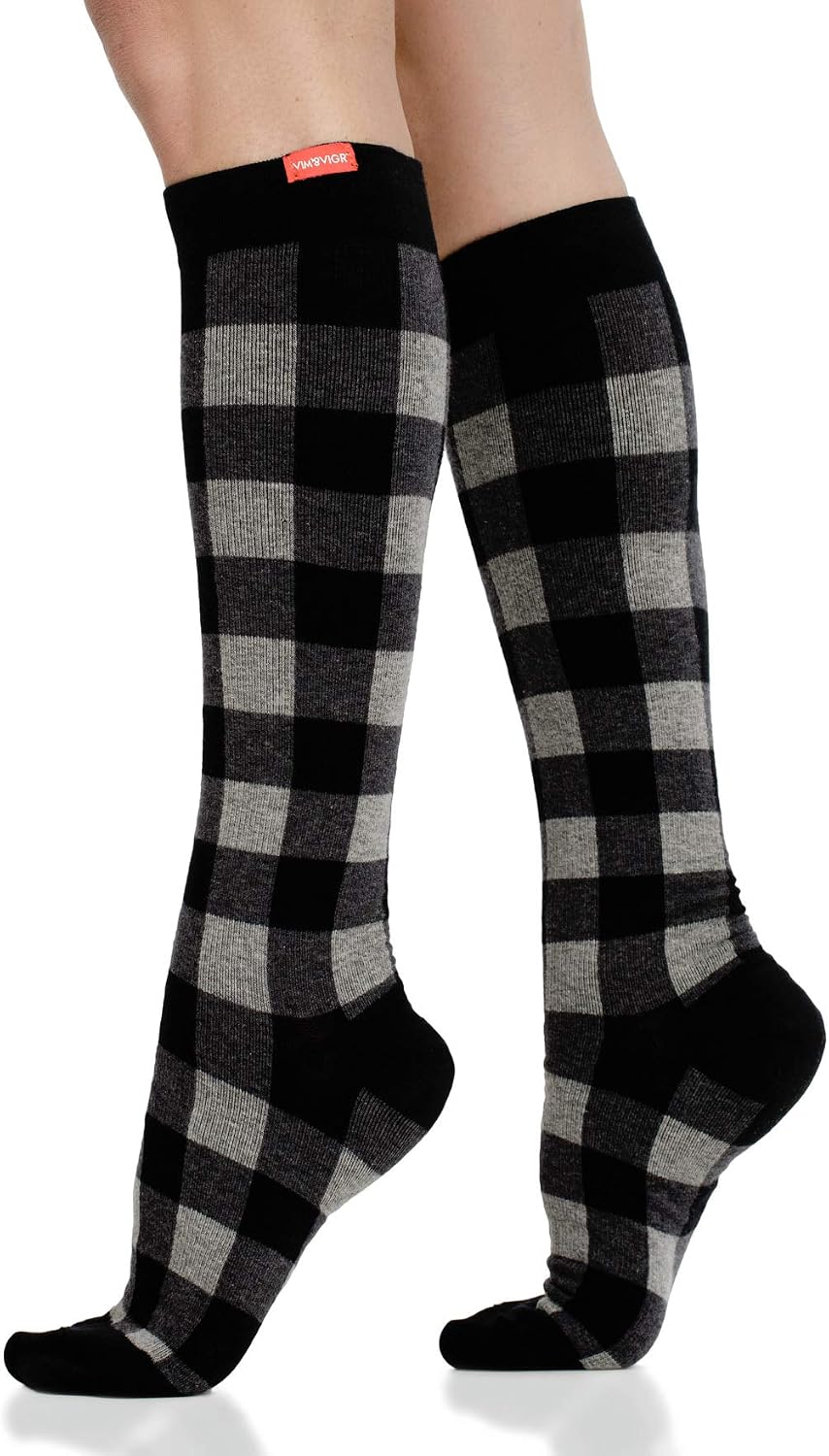
Of 19 compression sock brands, 15 state a pressure figure in mmHg on their own product page, 4 state none, and not one names the standard or test method the figure is measured to. That is the whole finding. The table below shows each brand’s row, quoted from its own page on 12 October 2026 and linked to it.
What we checked and why
Every compression sock is sold on a number: 15-20 mmHg, 20-30 mmHg. Our mmHg guide explains what those numbers mean. This page asks a prior question: where does the number come from, and can you compare it across brands?
A millimetre of mercury is a unit of pressure, so a figure is only comparable if two brands measure it the same way: at the same points on the leg, on the same leg size, with the same method. Medical compression hosiery in Germany is tested to a published standard, RAL-GZ 387, which fixes all three. That standard exists precisely because a number without a method is a label.
So for each brand we read the product page, or the sizing page where the brand keeps its compression information, and recorded two things. Does the page state a figure in mmHg? Does it name any standard, test method, certification or regulatory status behind that figure? We quoted what we found and linked the page. We did not read Amazon listings for this; they are a retailer’s claim, not the manufacturer’s.
The findings
Fifteen brands state a figure. Twelve do it in a sentence or a specification. Three do it only in a title or a menu: Bombas in the product title, CEP in a collection title, and PRO Compression in the navigation labels, with no sentence on the fitting page itself.
Four state no figure at all. Tommie Copper says “soothing compression”. Zensah says “true graduated compression”. Swiftwick says “firm compression”. Physix Gear’s product page has no number; its Amazon listing says 20-30 mmHg, which makes the retailer the only source of the claim. If you own a pair from any of these brands, you do not know its pressure, and neither, on the evidence of the page, does the brand want to tell you.
One page contradicts itself. FIGS’ ArchTek page says 20-30 mmHg in the title and the feature list, and 15-40 mmHg in a paragraph further down.
None names a standard. Not RAL-GZ 387, not an ASTM or ISO test, not a device class or registration. JOBST mentions RAL only as a general explanation of how Germany classifies compression garments, and does not claim it for the product. Six brands use “medical grade” or “medical-grade” as a label with nothing behind it.
What stands in for a standard. Apolla cites the American Podiatric Medical Association’s Seal of Acceptance, says the APMA reviewed its sizing system, and describes its compression as APMA-accepted. That is a real third party, though not a test method. VIM & VIGR, Truform and Swiftwick say they test their socks, in house, without naming how. Everyone else states the figure and stops.
What to do with this
Buy the figure, not the adjective. If a page says firm, soothing or graduated and no number, you are buying a sock, not a compression level. Every brand on our best compression socks and compression socks for nurses pages states a figure.
Do not compare figures across brands as if they were measured alike. They were not, or at least no brand will tell you they were. A 20-30 from one maker and a 20-30 from another are two claims, not one pressure. If a clinician has prescribed a level, buy from a brand that can tell you how it measures, or buy the medical hosiery your clinician names.
Size matters more than the figure anyway. A correctly measured sock at 15-20 mmHg does more than a mis-sized sock at 20-30, because the pressure a sock delivers depends on the leg it is on. Our size-chart survey covers the same 19 brands and finds only three publish a calf chart you can read.
A note on scope
We are independent reviewers, not clinicians or a test laboratory. This page reports what each brand’s own page states, on the date given in the table, and nothing more. We did not measure any sock. If a row is out of date, tell us and we will check the page again and correct it.
The table: 19 brands, what each one publishes
Every cell is quoted from the brand's own site and links to the page it came from. "Not published" means it does not appear as readable text on that page as of 2026-10-12.
Frequently asked questions
Is a 20-30 mmHg sock from one brand the same pressure as 20-30 mmHg from another?
Not necessarily, and no brand in this survey gives you a way to check. A mmHg figure only means the same thing across brands if it is measured the same way, at the same points on the leg, on the same size of leg. Medical hosiery in Germany is tested to a published standard, RAL-GZ 387, for exactly that reason. None of the 19 brands here names that standard or any other on its product page.
What does medical grade mean on a compression sock?
On the pages we checked, nothing specific. Six brands use medical grade or medical-grade as a label. None of the six names a regulation, device class or test behind it. Treat it as marketing language unless the brand shows you the standard.
Why do some well-known brands state no mmHg figure at all?
We can only report what the pages say. Four brands, Tommie Copper, Zensah, Swiftwick and Physix Gear, describe compression in words such as soothing, firm or true graduated and give no number on their own product page. For Physix Gear the number exists on its Amazon listing but not on the brand site, which means the retailer is making a claim the manufacturer does not.
Does any brand give evidence for its figure?
One cites a third party. Apolla says the American Podiatric Medical Association reviewed its sizing system for a Seal of Acceptance and calls its compression APMA-accepted, though no test standard is named. Three brands say they test in house, VIM & VIGR, Truform and Swiftwick, without naming the method. The rest state the figure and leave it there.